Find Treatment Centers in Tennessee
540 SAMHSA-verified facilities. 3,193 annual opioid deaths.
Quick Answer: Rehab in Tennessee
Yes — Tennessee has 540 SAMHSA-verified treatment centers offering detox, inpatient, outpatient, and medication-assisted programs. Most major insurance plans cover treatment under the Mental Health Parity Act. Medicaid covers treatment in all Tennessee facilities that accept it.
Call (833) 546-3513 for free insurance verification and same-day placement assistance.
Key Treatment Concepts
The American Society of Addiction Medicine's six-dimension assessment framework used to determine appropriate level of care placement for each patient.
Income-based payment adjustment offered by many Tennessee facilities. Patients pay based on ability, making treatment accessible regardless of financial situation.
Treatment approaches validated by peer-reviewed research, including CBT, DBT, motivational interviewing, contingency management, and medication-assisted treatment.
Progressive treatment model starting with the most intensive services (detox, residential) and stepping down through PHP, IOP, outpatient, and aftercare as recovery strengthens.
Quick answer: Tennessee has 540 verified treatment centers. Medicaid has not been expanded, but facilities offer sliding-scale fees and payment plans. The overdose rate is 56.6/100k (#2 nationally, above the national average of 33.1). Top cities: Chattanooga, Memphis, Nashville. Need help? Call (833) 546-3513.
Treatment Centers in Tennessee
539 facilities found
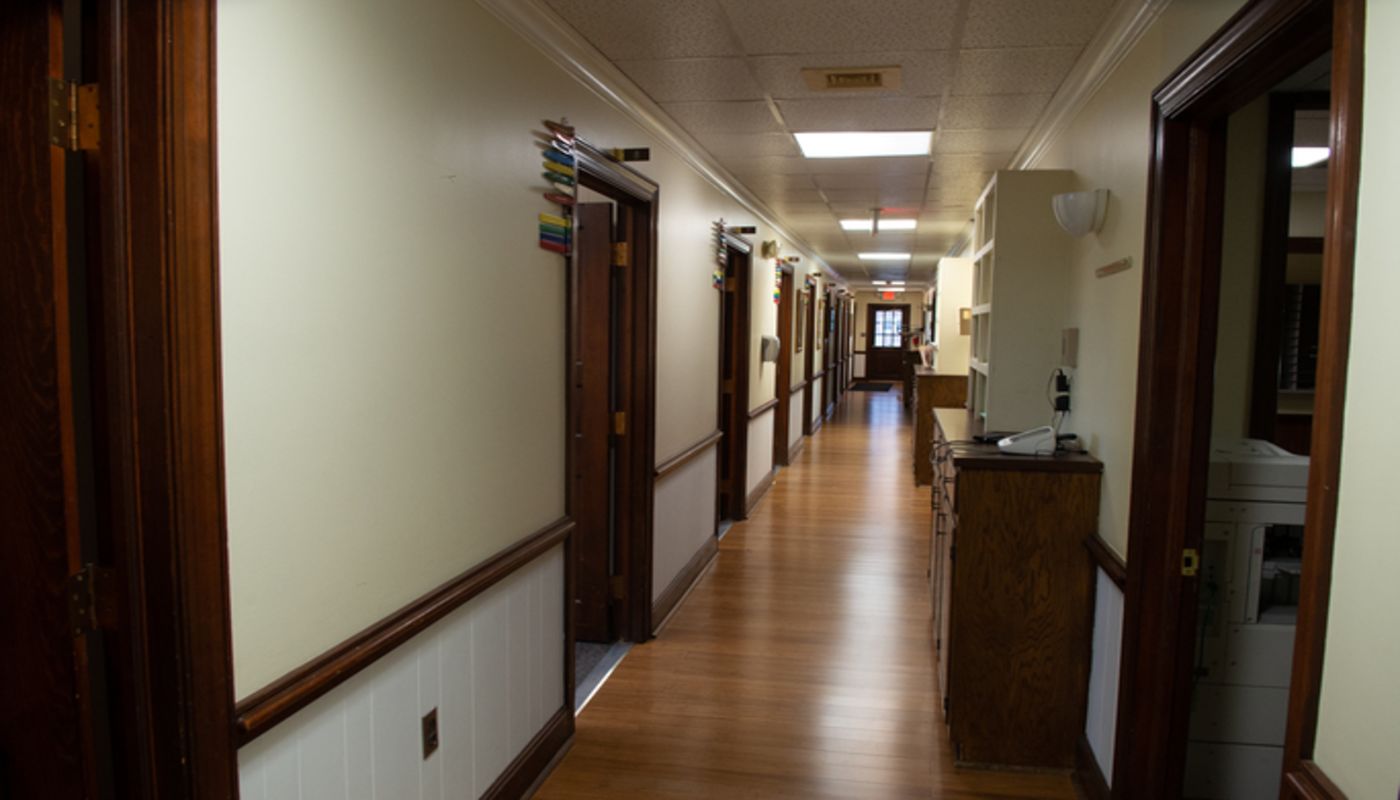
ReVIDA Recovery Center - Oak Ridge
Tullahoma, TN
ReVIDA Recovery Center in Oak Ridge provides outpatient care for clients with opioid use disorders, specializing in medication-assisted treatments (MAT) with Su...
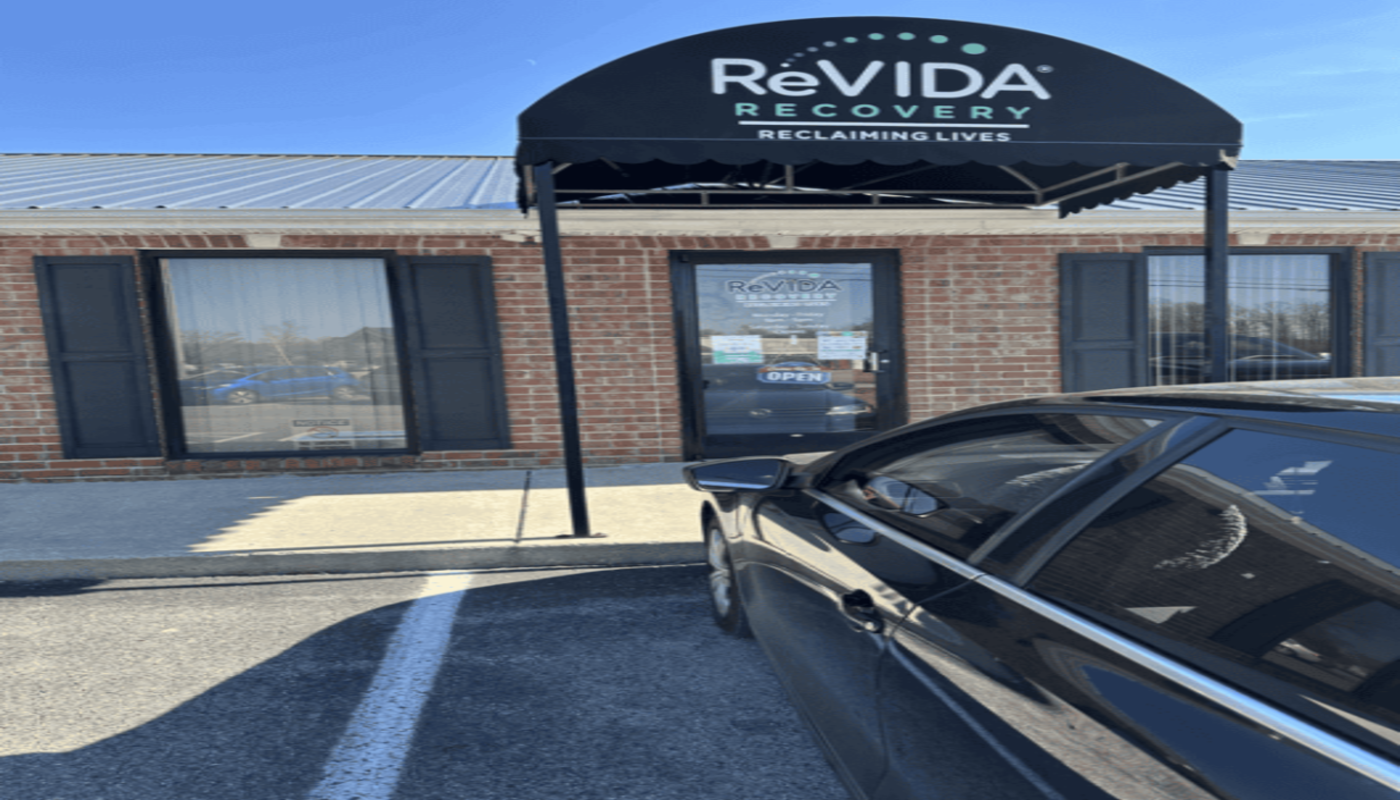
ReVIDA Recovery Center - Tullahoma
Tullahoma, TN
ReVIDA Recovery Center in Tullahoma provides outpatient care for clients with opioid use disorders, specializing in medication-assisted treatments (MAT) with Su...
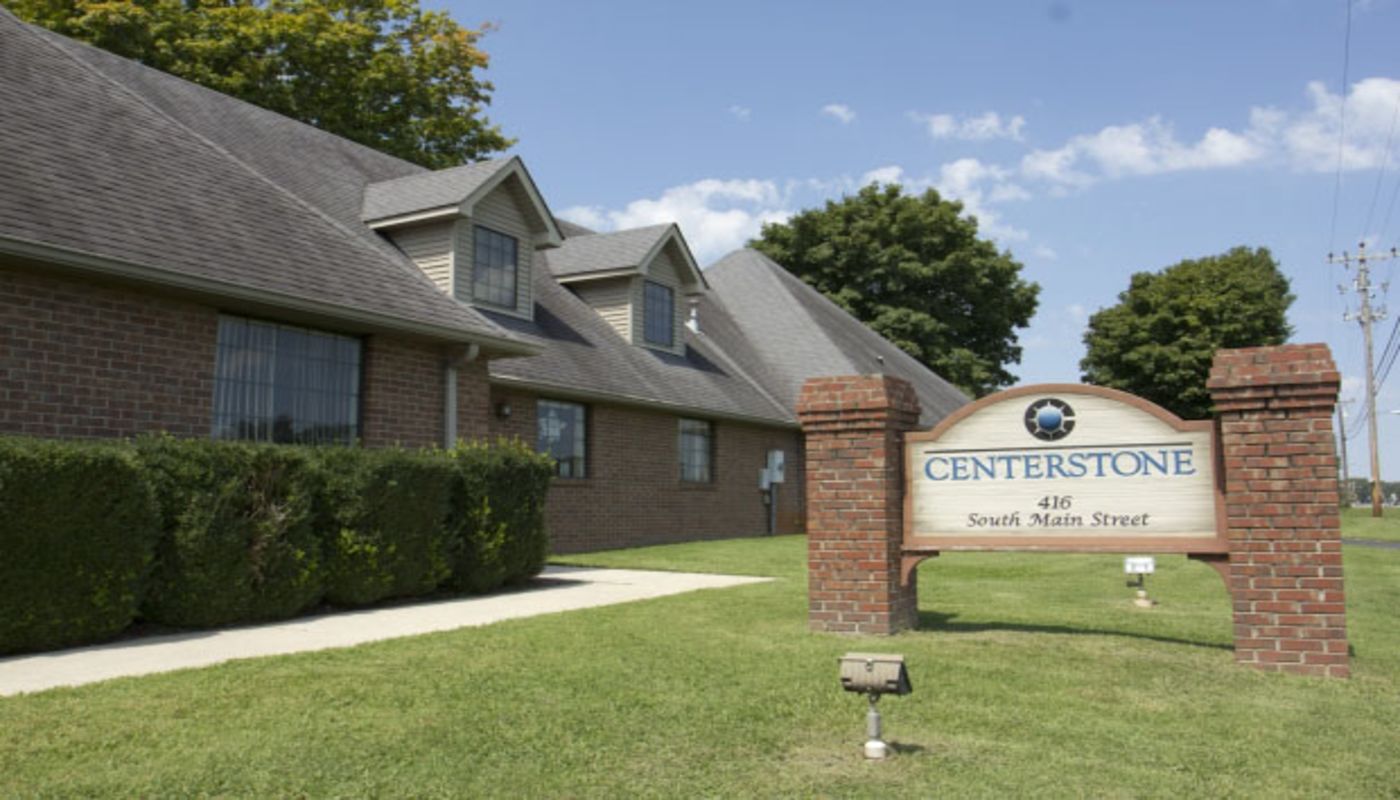
Centerstone Estill Springs
Chattanooga, TN
Centerstone Estill Springs – South Main Street is a nonprofit mental health and substance use treatment facility. As a member of the National Health Services Co...
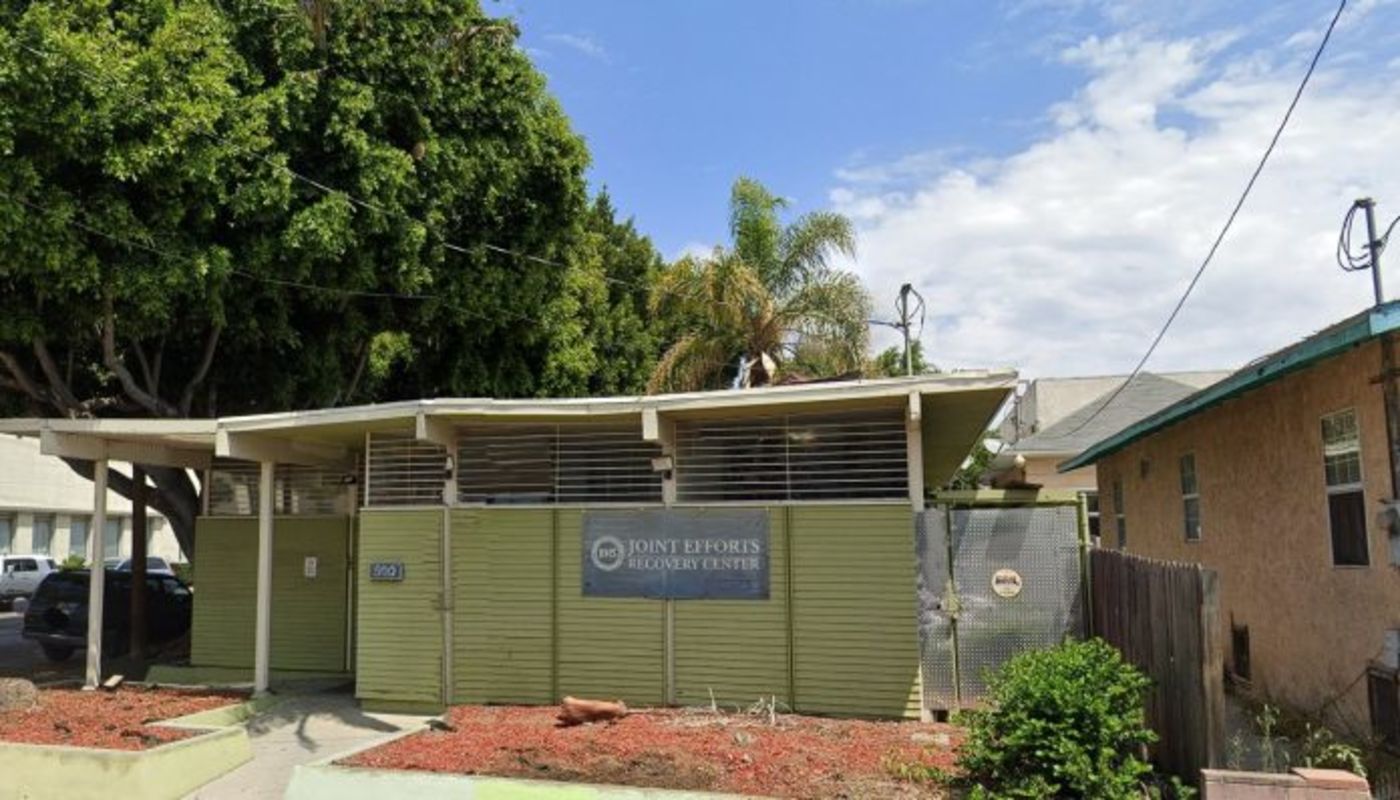
Behavioral Health Services Joint Efforts
Chattanooga, TN
Located in San Pedro, California, Joint Efforts, a program of Behavioral Health Services, Inc. (BHS), offers support for substance use disorder and co-occurring...
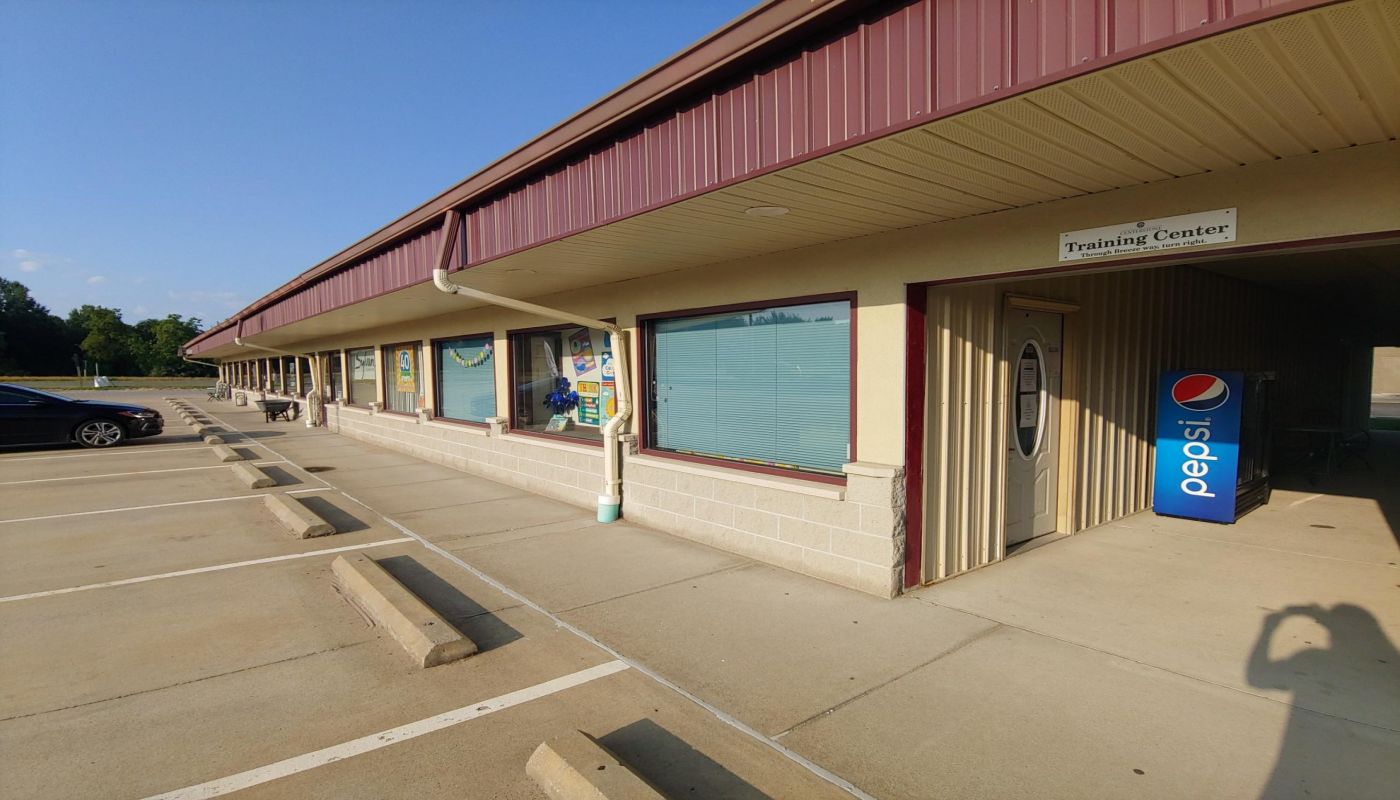
Centerstone Carterville - East Plaza Drive
Chattanooga, TN
Centerstone Carterville - East Plaza Drive is an outpatient mental health clinic. As part of Centerstone, a non-profit health care organization, this facility i...
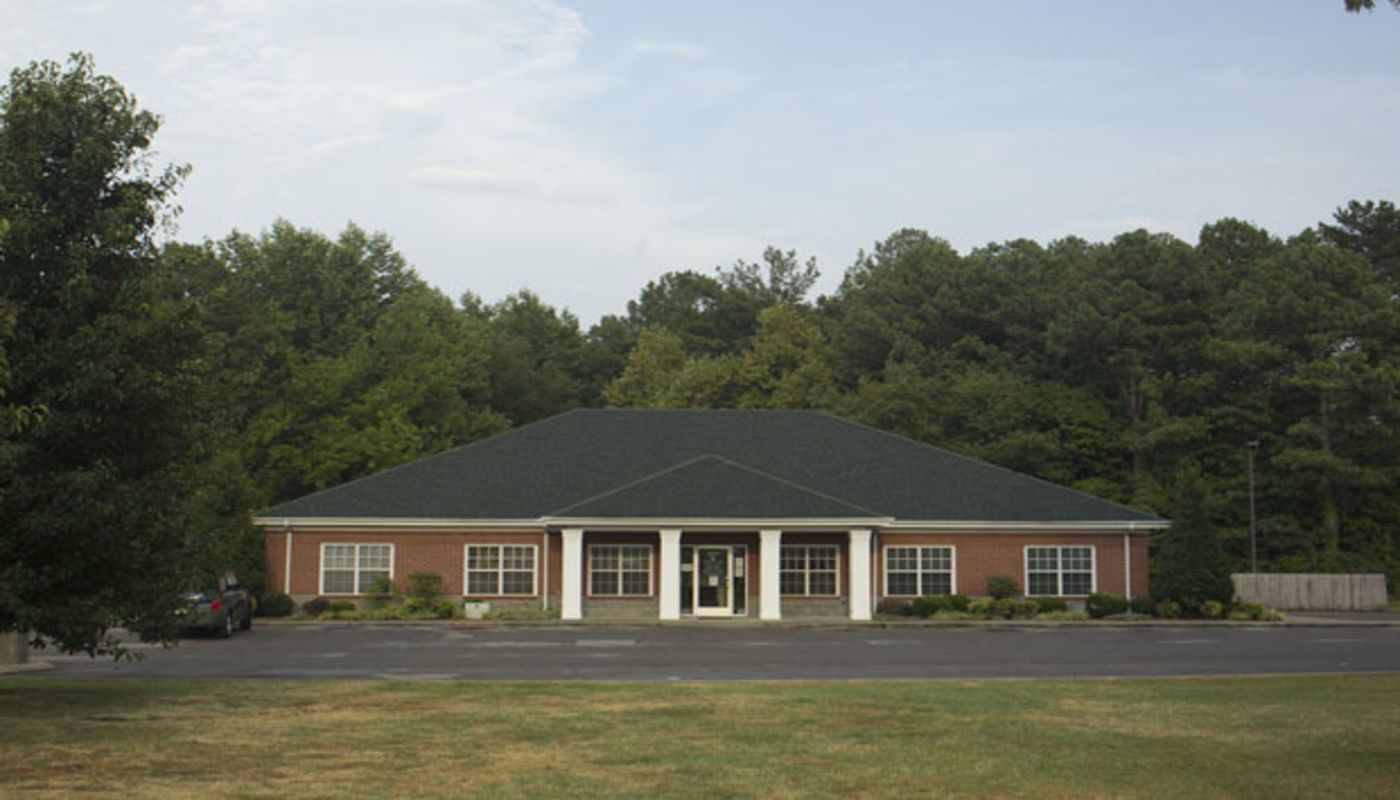
Centerstone Lawrenceburg - Old Florence Road
Chattanooga, TN
Centerstone Lawrenceburg - Old Florence Road is a non-profit mental health clinic offering services for patients of all ages. The facility provides a range of o...
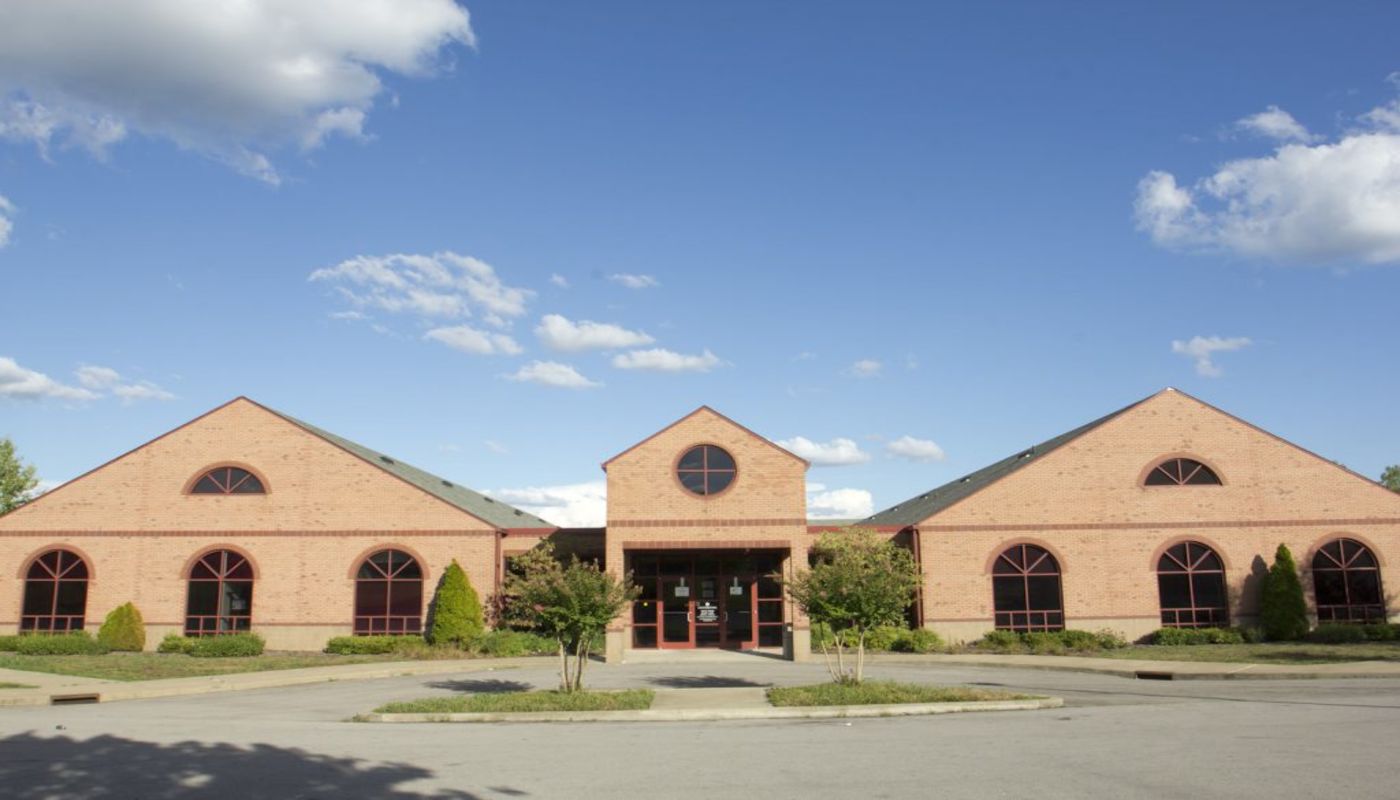
Centerstone Nashville - Dr. Robert N. Vero Center
Chattanooga, TN
Centerstone Nashville - Dr. Robert N. Vero Center is a nonprofit mental health and addiction treatment facility. As part of the Centerstone network, it offers a...
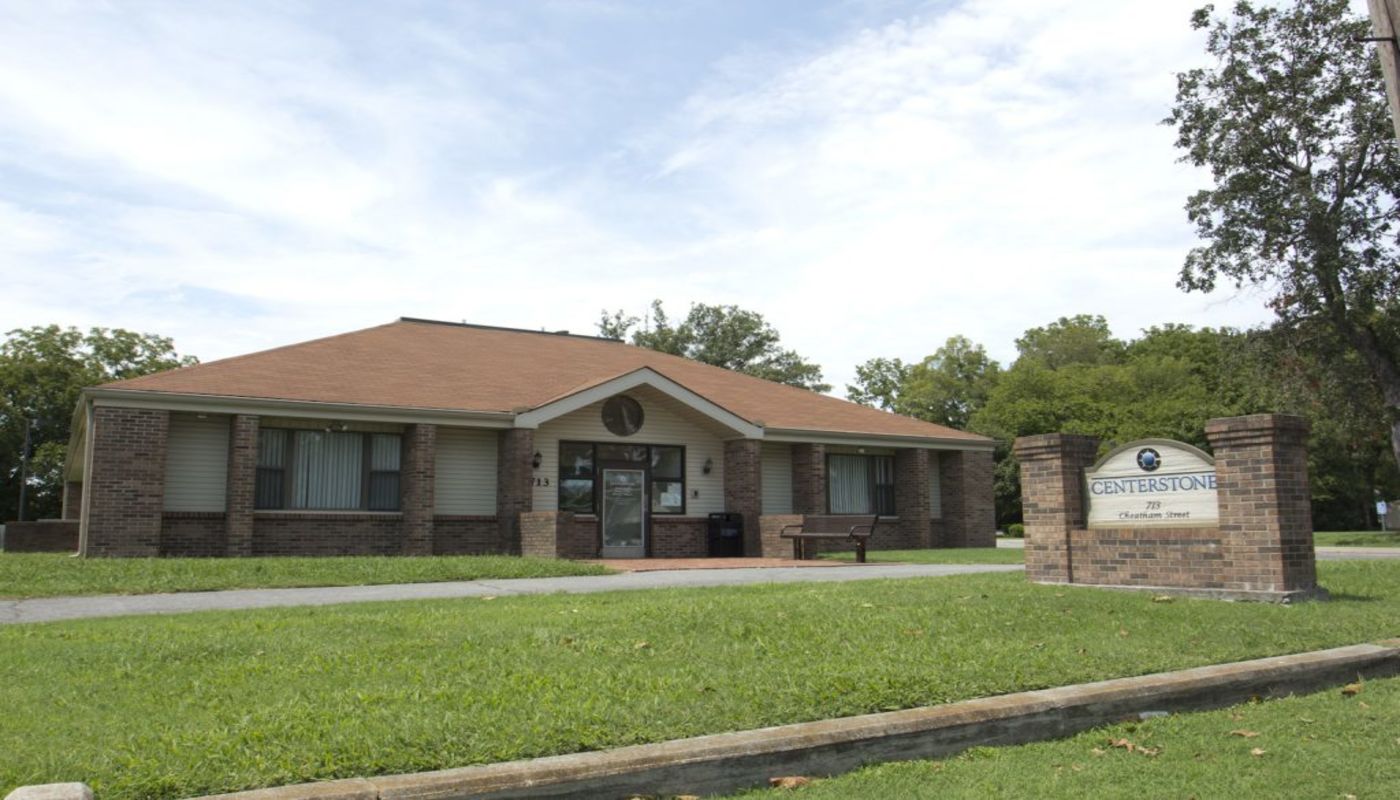
Centerstone Springfield - Cheatham Street
Chattanooga, TN
Centerstone Springfield - Cheatham Street is a non-profit mental health and addiction treatment facility. As part of the Centerstone network, it offers a compre...
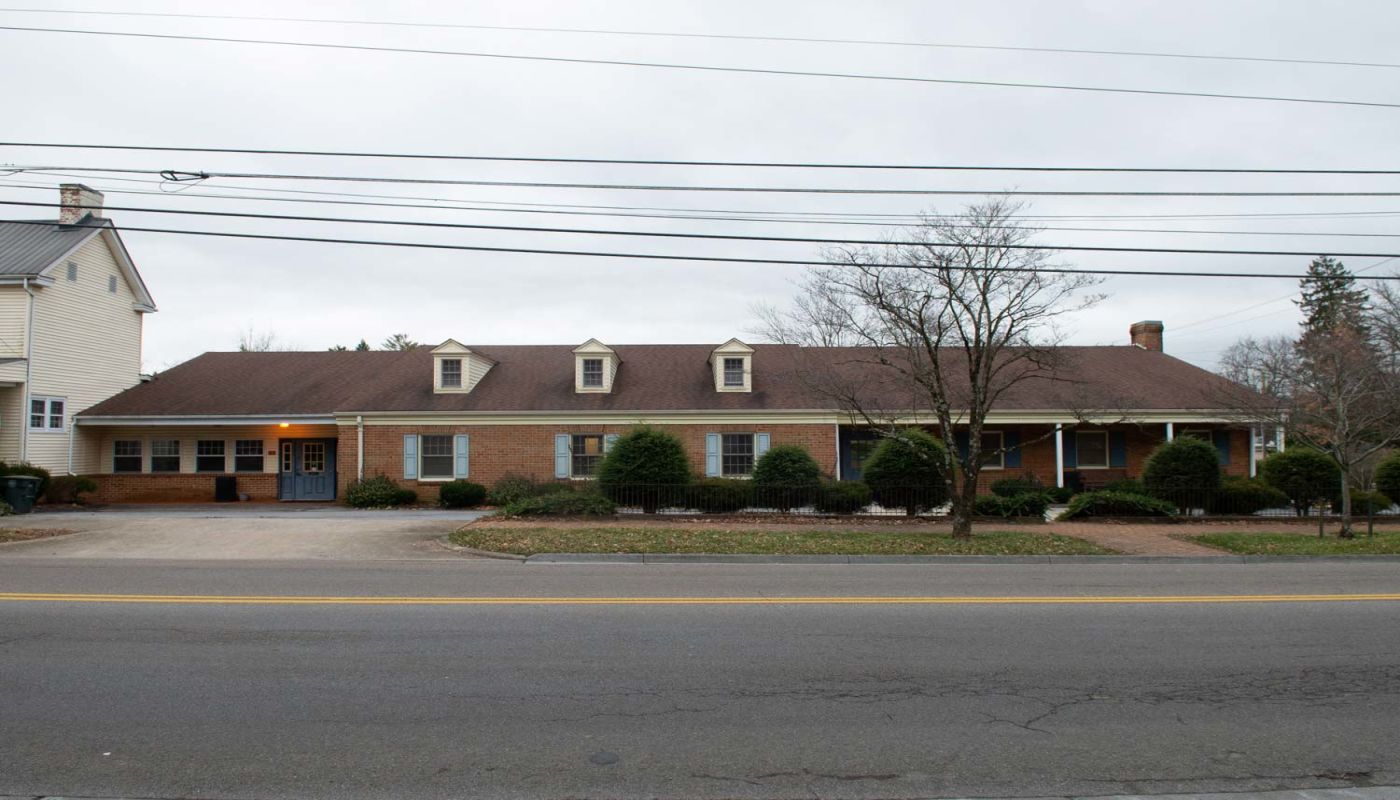
ReVIDA Recovery Center - Abingdon
Tullahoma, TN
ReVIDA Recovery Center in Abingdon provides outpatient care for clients with opioid use disorders, specializing in medication-assisted treatments (MAT) with Sub...
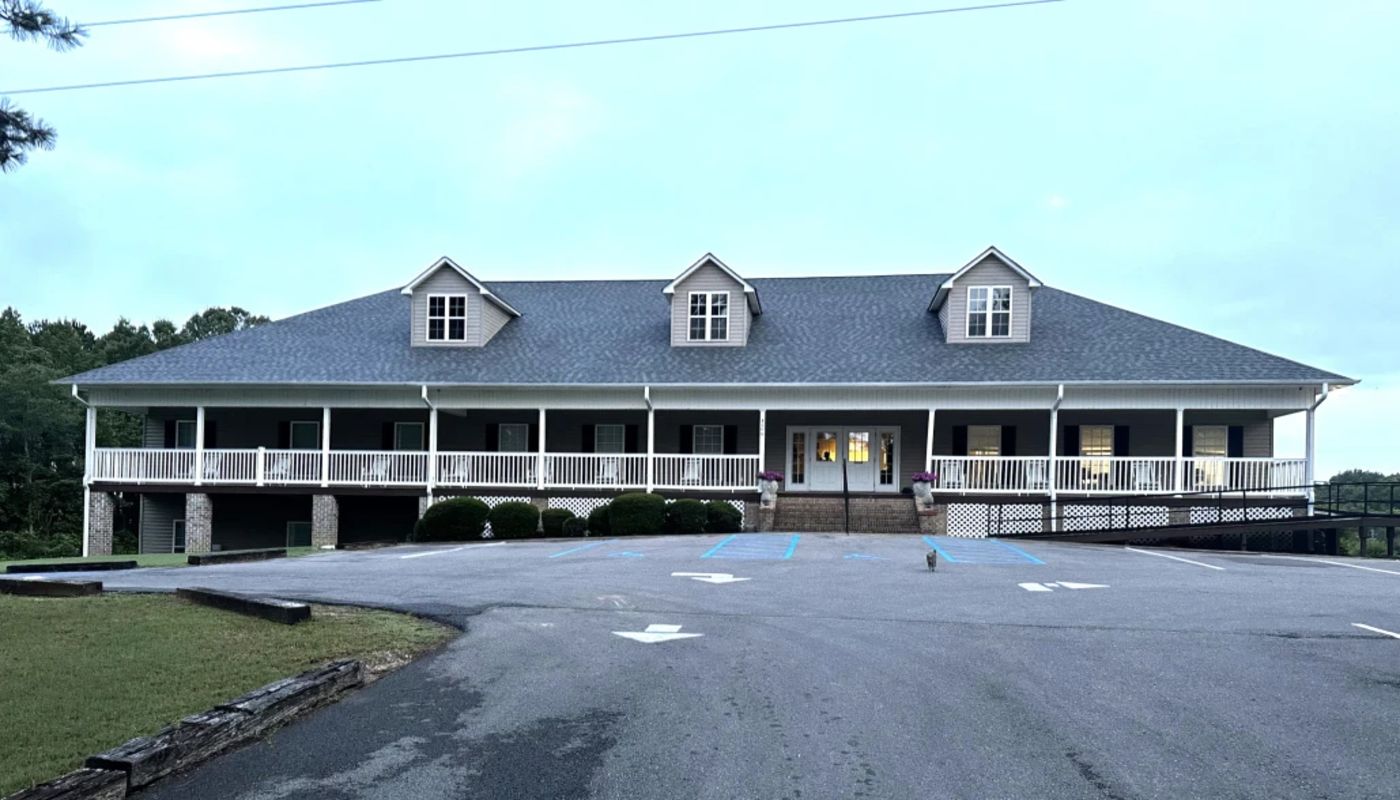
Center for Living and Learning
Franklin, TN
The Center for Living and Learning in Franklin, Tennessee, provides specialized care for adults aged 21 and older with severe and persistent mental illnesses, i...
Centerstone Bradenton - Sixth Avenue West
Chattanooga, TN
Centerstone Bradenton – Sixth Avenue West is a mental health center offering outpatient mental health counseling, support, and physician services to the communi...
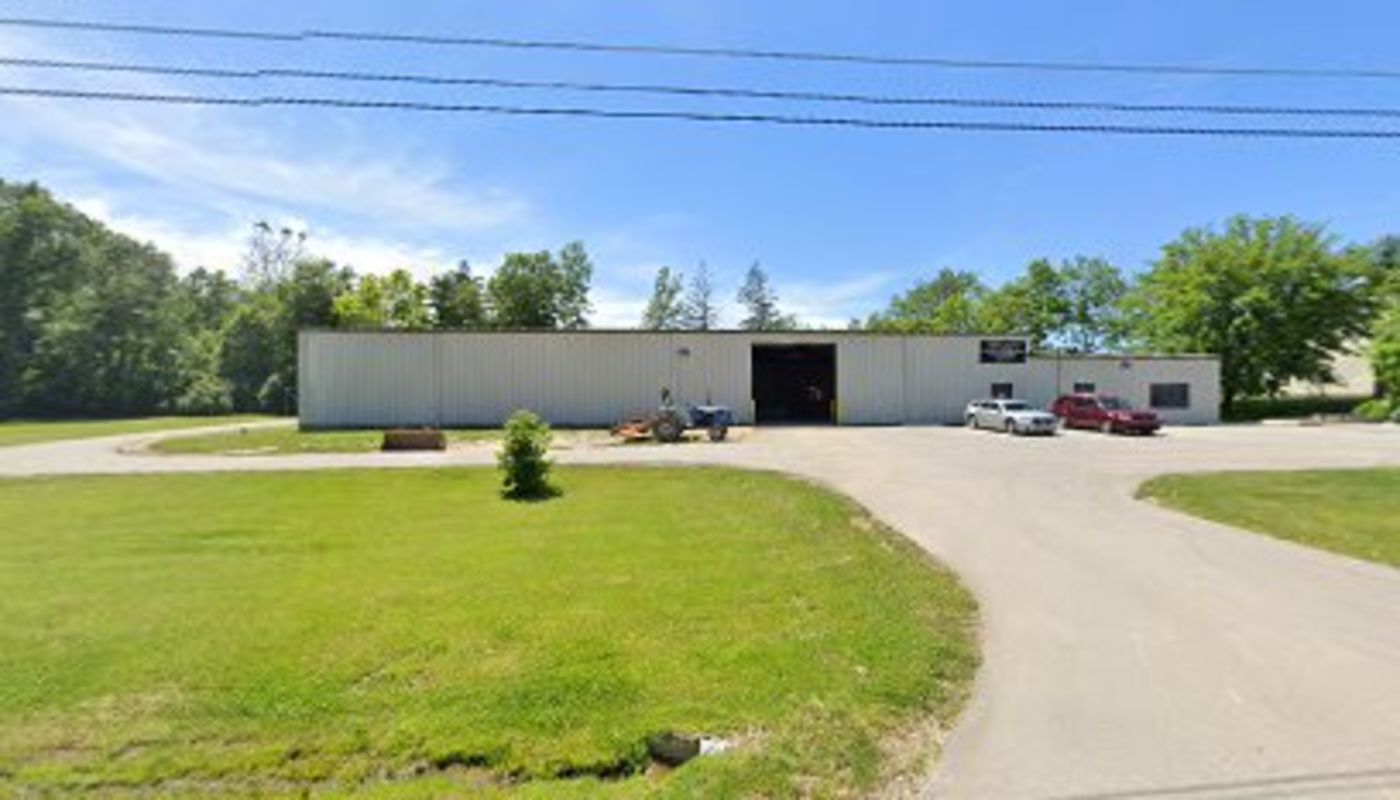
Clarvida Behavioral Health Allen County
Memphis, TN
Clarvida’s Allen County location offers outpatient care for people living with mental health conditions like depression, anxiety, and bipolar disorder. The cent...
Addiction Treatment in Tennessee: What You Need to Know
Tennessee has 540 SAMHSA-verified treatment facilities serving a population of 7,126,000. That's approximately 7.6 facilities per 100,000 residents. The state's drug overdose death rate of 56.6 per 100,000 is above the national average of 33.1 — ranking #2 nationally. With 3,193 opioid-related deaths reported annually, access to evidence-based treatment programs remains critical.
Insurance & Medicaid Coverage in Tennessee
Tennessee has not expanded Medicaid under the ACA, which limits publicly funded treatment access for low-income adults without dependent children. However, traditional Medicaid still covers some addiction treatment services for eligible populations (pregnant women, children, individuals with disabilities). Many of Tennessee's 540 facilities offer alternative payment options: sliding-scale fees based on income, payment plans, state-funded program slots, and private insurance acceptance. The Mental Health Parity Act requires most private insurers to cover SUD treatment at the same level as medical/surgical care.
The Overdose Crisis in Tennessee
Tennessee reports 3,193 opioid-related deaths annually with an overdose rate of 56.6/100k (above the 33.1 national average by 71%). Substance use disorder affects approximately 6.6% of adults in the state (national average: 7.2%). Tennessee has enacted a Good Samaritan law that protects individuals who call 911 during an overdose emergency from certain criminal charges — encouraging bystanders to seek help. Naloxone (Narcan), the opioid overdose reversal medication, is available via standing order in Tennessee, making it accessible without an individual prescription.
Types of Treatment Available
| Program | Duration | Cost Range | Best For |
|---|---|---|---|
| Medical Detox | 5–10 days | $1,000–$5,000 | Alcohol, opioid, benzo withdrawal |
| Inpatient Rehab | 28–90 days | $6,000–$30,000 | Severe addiction, co-occurring disorders |
| PHP (Partial Hospitalization) | 2–4 weeks | $3,000–$10,000 | Step-down from inpatient, intensive support |
| IOP (Intensive Outpatient) | 2–4 months | $3,000–$10,000 | Work/school compatibility, 9-20 hrs/week |
| Outpatient | 3–12 months | $1,400–$10,000 | Mild-moderate, stable housing |
| MAT | 6–24+ months | $5,000–$15,000/yr | Opioid use disorder, relapse prevention |
Many facilities offer sliding-scale fees. Call (833) 546-3513 for free insurance verification.
Where to Find Help in Tennessee
Treatment facilities in Tennessee are concentrated in urban areas, with Chattanooga leading with 135 centers, followed by Memphis (131) and Nashville (31). For residents in rural areas, telehealth addiction counseling and out-of-area programs provide alternatives. Browse our full Tennessee directory to filter by city, treatment type, and insurance accepted.
Last updated: March 2026 · Written by the RehabHive Editorial Team · Sources: SAMHSA, CDC WONDER, KFF
Check Your Insurance Coverage in Tennessee
Private insurance and state programs available. Verify your benefits — free and confidential.
Understanding Treatment Options in Tennessee
Effective addiction treatment requires at least 90 days in a structured program, according to NIDA research. In Tennessee, treatment centers offer multiple levels of care along a continuum — from medically supervised detoxification (3-10 days) through residential inpatient programs (30-90 days), partial hospitalization (PHP), intensive outpatient (IOP), and standard outpatient counseling.
Medication-assisted treatment (MAT) with buprenorphine, methadone, or naltrexone reduces opioid overdose deaths by 50% (CDC data). Many Tennessee facilities now integrate MAT with behavioral therapies including cognitive-behavioral therapy (CBT), dialectical behavior therapy (DBT), and motivational interviewing for comprehensive dual-diagnosis care.
Treatment centers that match program intensity to individual patient needs achieve the strongest long-term recovery outcomes, according to NIH research. Most insurance plans cover substance abuse treatment under federal parity law. under the Mental Health Parity and Addiction Equity Act, most commercial plans and Medicaid must cover substance abuse treatment at parity with medical care.
Sources: NIDA Principles of Drug Addiction Treatment (4th Ed.), CDC MMWR Vol. 72, NIH National Institute on Alcohol Abuse and Alcoholism
Treatment FAQ — Tennessee
How many rehab centers are in Tennessee?
How much does rehab cost in Tennessee?
Does Medicaid cover rehab in Tennessee?
What types of treatment are available in Tennessee?
Are there free rehab centers in Tennessee?
What is the overdose crisis in Tennessee?
Can I travel to Tennessee for rehab?
How do I choose the right rehab in Tennessee?
How much does rehab cost in Tennessee without insurance?
Does Tennessee Medicaid cover residential rehab?
What are the best-rated rehab centers in Tennessee?
Looking in Nearby States?
Explore treatment options in states neighboring Tennessee.
