Inbalance Transitional Living
2052 Princeton Road, Hamilton, OH 45011
Free & confidential · Insurance verification · 24/7
Key Takeaways
- Inbalance Transitional Living is a Co-Occurring Mental Health facility in Hamilton, OH, established in 2006.
- Accepts 24 insurance providers including Aetna, Anthem, BlueCross BlueShield.
- Uses 8 evidence-based therapies: 1-on-1 Counseling, Family Therapy, Group Therapy, Twelve Step Facilitation.
- Call (833) 546-3513 for free insurance verification and admission guidance (24/7).
Photos (4)


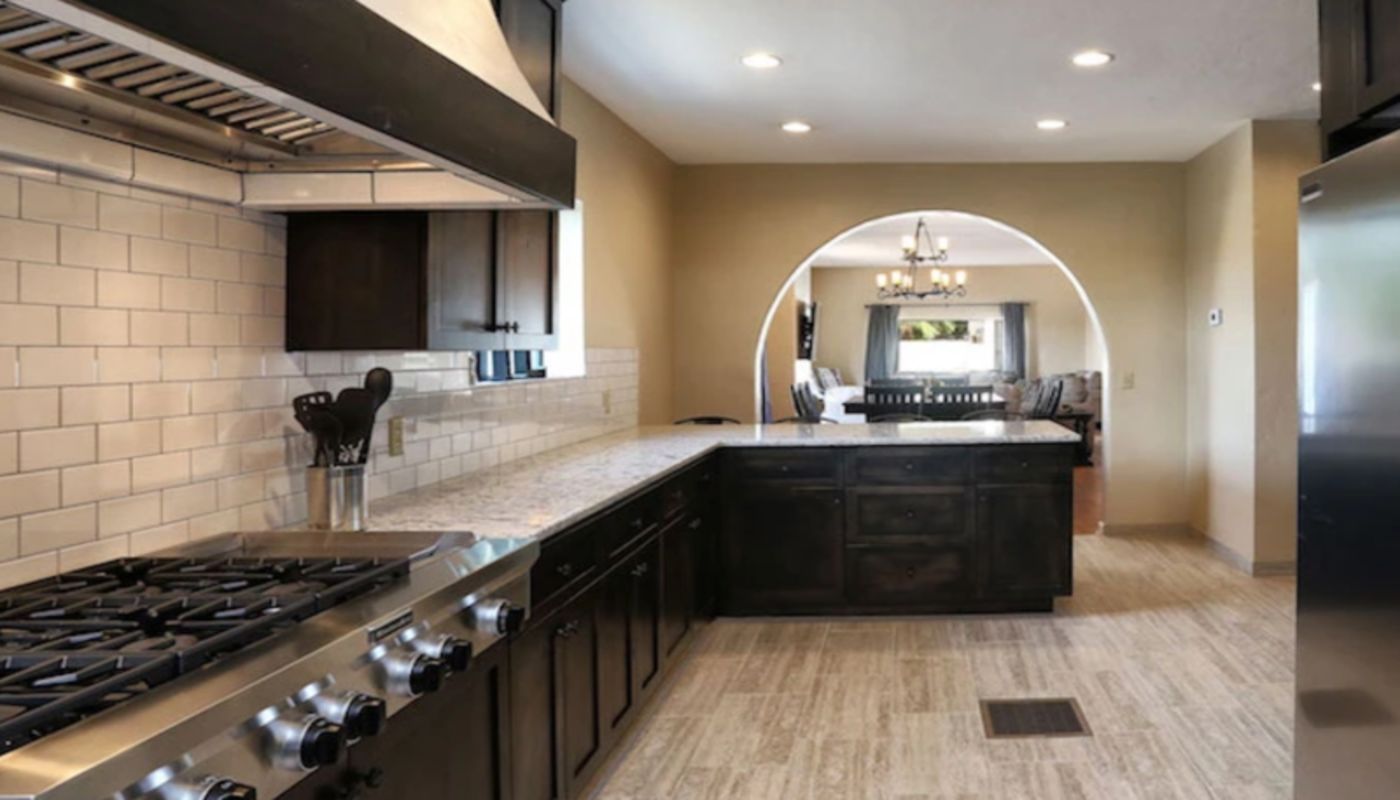

Why Choose Inbalance Transitional Living
Accredited Facility
Holds Joint Commission accreditation, ensuring adherence to rigorous quality standards.
Broad Insurance Coverage
Accepts 24 insurance providers, making treatment accessible for more families.
Evidence-Based Therapies
Offers 8 proven treatment methods including 1-on-1 Counseling, Family Therapy, Group Therapy.
Specialized Programs
Offers targeted programs for Transitional Living.
About Inbalance Transitional Living: Programs, Staff & Mission
The program at Inbalance has several components. The first essential pillar of the program is community. Fellowship and brotherhood are built by attending 12 Step meetings that all the men attend throughout their time at the house. They learn to live in community with people who have similar purpose. They also attend house meetings and work with a life coach who is employed by Inbalance. The life coach tracks the resident’s 12 Step work, physical health and activity and also monitors their bank account and spending. The second pillar is therapy. The therapy that takes place at Inbalance focuses on rebuilding the person’s life and less on their past. Family therapy sessions take place once a month, meanwhile families are encouraged to attend Al-Anon meetings in between sessions. The third pillar is fun. Inbalance can show young men how recovery can be fun by offering sports, social activities, ski trips, cliff diving, swimming and more.
If a high school aged guy comes to the house, he will be able to continue his education at Tucson High School. Inbalance has a dedicated teacher to work with their residents in their own classroom, in order to avoid high school “temptations.” The school day is shortened from 9am-2:30pm Monday through Thursday. This shortened schedule is still enough to complete education while leaving plenty of time for recovery and life skills.
What to Expect at Inbalance Transitional Living
Your path from first call to lasting recovery
Assessment
A clinical team evaluates your history, needs, and goals to build a personalized plan.
Active Care
Evidence-based therapies including 1-on-1 Counseling and Family Therapy, typically 30 days.
Aftercare
Ongoing support, relapse prevention planning, and connections to community resources.
Free guidance • No obligation
What Levels of Care Are Available?
Programs available at this facility
What Insurance Does Inbalance Transitional Living Accept?
24 insurance providers accepted. Learn about insurance coverage →
 Aetna
Aetna
 Anthem
 BlueCross BlueShield
 Bright Health
 CareFirst
 Carelon Behavioral Health
 Cigna
Cigna
 ComPsych
 GuideWell
 HealthNet
 HealthPartners
 Highmark
 Humana
 ITU Funds
 Intermountain Healthcare
 Kaiser Permanente
 MHN
MHN
 Medicaid
 Medicare
 Optum
Optum
 Oscar
Oscar
 Tricare
 Tufts Health
 United Healthcare
Not sure if your insurance covers this center?
Free, confidential verification in under 5 minutes. We check your specific benefits and out-of-pocket costs.
What Therapies and Approaches Are Used?
Evidence-based methods used at this center. Browse all types →
Repairs relationships and builds a supportive home environment.
Shared healing through peer support and group dynamics.
Combines physical postures, breathing, and meditation.
What Conditions and Substances Are Treated?
Substances
Conditions
Aftercare & Continuing Support
Additional Services
Type of Care
Service Setting (e.g., Outpatient, Residential, Inpatient, etc.)
Facility Type
Pharmacotherapies
Treatment Approaches
Facility Operation (e.g., Private, Public)
Payment/Insurance/Funding Accepted
Payment Assistance Available
Special Programs/Groups Offered
Assessment/Pre-treatment
Testing
Recovery Support Services
Education and Counseling Services
Facility Smoking Policy
Age Groups Accepted
Language Services
Facility Vaping Policy
Ancillary Services
How Much Does Treatment Cost?
Average costs vary by care level. Insurance typically covers 60-80% of treatment.
| Care Level | Avg. Cost/Month | With Insurance | Duration |
|---|---|---|---|
| Medical Detox | $5,000–$10,000 | $500–$3,000 | 3–7 days |
| Residential | $15,000–$30,000 | $2,000–$8,000 | 30–90 days |
| PHP/IOP | $5,000–$12,000 | $500–$3,000 | 6–12 weeks |
| Outpatient | $1,000–$5,000 | $100–$1,000 | 3–12 months |
Source: SAMHSA National Survey, 2024. Costs vary by location and provider. Call (833) 546-3513 for a free, personalized cost estimate.
Frequently Asked Questions
How long is the program at Inbalance Transitional Living?
What insurance does Inbalance Transitional Living accept?
What levels of care are available?
How do I start the admissions process?
Does insurance cover treatment here?
What therapies are used at this center?
Contact Inbalance Transitional Living
Free Guidance & Insurance Verification
(833) 546-3513Address
2052 Princeton Road, Hamilton, OH, 45011
Center Phone
(520) 722-9631Website
www.inbalanceliving.comLanguages
English
Sources & References
This listing includes information from publicly available data and provider submissions. For authoritative resources on treatment and recovery:
-
SAMHSA National Helpline
1-800-662-4357 — Free, confidential, 24/7 treatment referral service
-
National Institute on Drug Abuse (NIDA)
Research-based information on addiction science and treatment
-
FindTreatment.gov
Official SAMHSA treatment locator with verified facility data
-
NAATP
National Association of Addiction Treatment Providers — industry standards and ethics
Related Resources
Need Help Choosing?
Free guidance from treatment specialists
Ready to Take the First Step?
Our specialists are available 24/7 to help you find the right program and verify your insurance.
(833) 546-3513Free • Confidential • No Obligation
Other Centers in Hamilton
Compare options nearby
Map & Directions
Verify Your Insurance
Free & confidential — takes under 2 minutes
